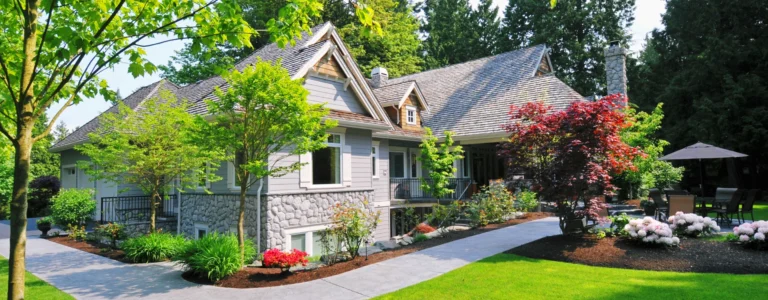

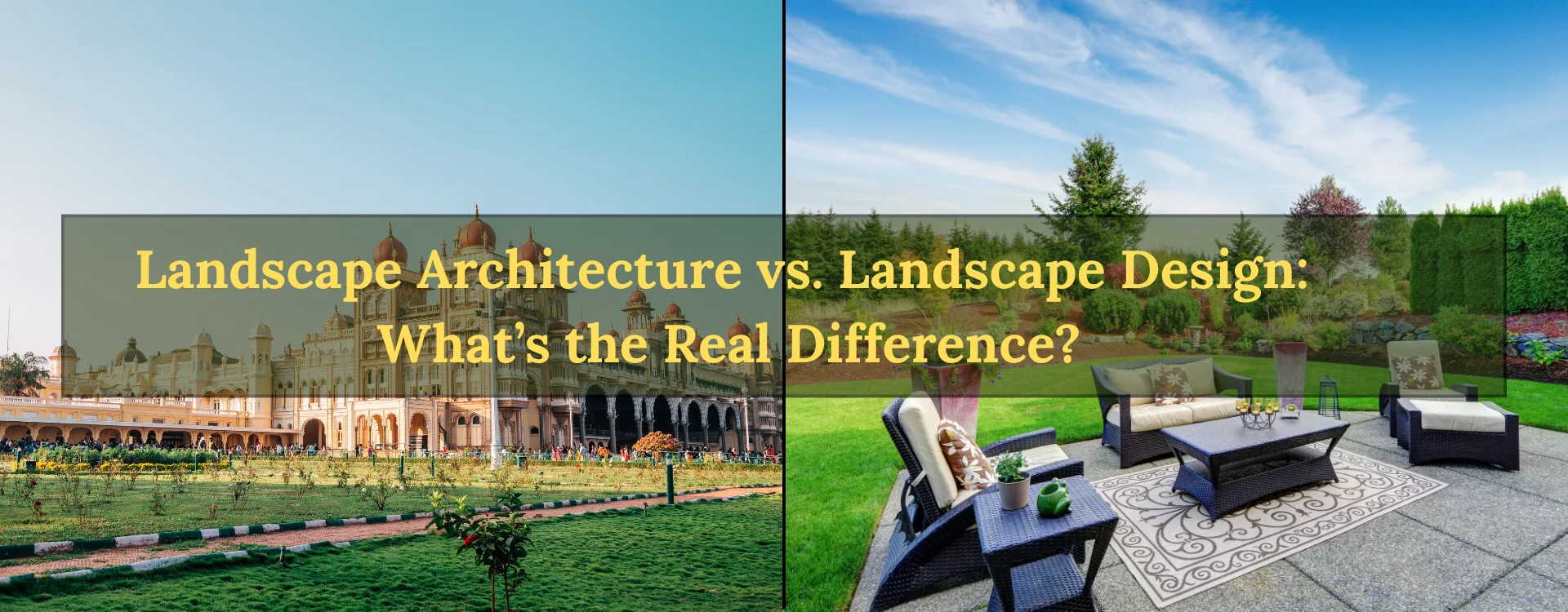
When people discuss about outdoor space planning and green-space development, people frequently compare landscape architecture and landscape design. While landscape designers are often focused on aesthetics, plant choices, and small residential project works. On the other side, Landscape architects typically work on large-scale projects like public spaces, environmental projects, such as institutional campuses, urban parks, and water restoration.
With India’s landscaping services market projected to grow at a compound annual growth rate (CAGR) of 6.8%, demand for well-trained professionals in green-space design is steadily rising. This growth far exceeds the U.S. Bureau of Labor Statistics’ projected 3 to 4% job growth for landscape architects. In India, as cities grow quickly, sustainability is becoming a major focus.
Although both landscape architects and landscape designers work to improves the outdoor spaces better, their education, roles, licensing requirements and jobs are different. Understanding these differences helps students choose the right career path and allows clients to hire the right expert for their project.
In this blog, we will explore what landscape architect and landscape designer are, their goals, roles, clients and careers and which one option best for you.

What is Landscape Design?
Landscape design focuses on arranging plants, water features, lighting, and outdoor structures to create stunning, beautiful and evergreen. The main goal is to enhance the look, feel, gardening, and usability of the area with thoughtful gardening and aesthetic planning.
Landscape designers typically work on designing residential projects and small commercial spaces. They often use design software to produce both 2D and 3D designs for gardens, patios, and courtyards. Most professionals in this field have an associate degree, and they usually do not need to be licensed by the state to work. They can work with design firms, landscaping companies, or work as freelancers; this flexibility gives you many options in landscape design.
What landscape designer do?
- Plan the design of outdoor spaces like gardens, lawns, and courtyards.
- Choose the right plants, trees, and shrubs based on climate and design style.
- Work together with clients to understand their need, style and budget.
- Create 2D and 3D design layouts by using software.
- Keep you informed about plant care, climate, and sustainability.
- Design small water features, pathways, seating areas, and garden structures.
Which tools are essential for landscape designers?
- Using of design software such as SketchUp, AutoCAD, and Vectorworks.
- Measuring tools, plant reference guides, and lighting simulation tools.
- Digital drawing tablets for sketches and renderings.
- Site analysis tools including soil testers and GPS devices.
With the help of these design software, expert designers can present their ideas in a way that allows clients to clearly visualize the final outcome. Most designers who also have strong knowledge of gardening, eco-friendly practices, and smart space planning.
This field needs few formal qualifications, which makes it open to many people. However, those who do well often stand out due to a solid portfolio and good client referrals. As demand for these services rises, the industry offers plenty of chances for growth, specialization, and lasting career development.

What is Landscape Architecture?
Landscape architecture focuses on the planning, design, and management of large outdoor spaces, especially those meant for public use. This includes public parks, institutional campuses, urban plazas, streetscapes, green infrastructure, and environmental restoration projects.
To become a landscape architect, a person must complete a degree from an accredited architecture program, gain practical experience through an internship, and pass the Landscape Architect Registration Examination (LARE). In most regions, this is a licensed and highly regulated profession.
What landscape architect do?
- Plan and design large outdoor spaces such as parks, campuses, resorts, urban plazas, and public landscapes.
- Work on environmental restoration, erosion control, watershed management, and ecological conservation projects.
- Coordinate with architects, civil engineers, urban planners, and environmental specialists.
- By using software’s, prepare technical drawings, construction documents, and detailed specifications.
- Address environmental challenges such as drainage issues, soil erosion, and water management.
- Conduct site analysis, soil studies, and environmental impact assessments.
These projects are usually big and need strong technical skills. They involve careful planning for grading, drainage, stormwater management, and ADA compliance. Professionals must also know local rules, zoning laws, and environmental codes to make sure each project is safe, functional, and fully approved.
A career in landscape architecture typically starts with internships or entry-level jobs in architecture firms, design studios, or government agencies. As professionals gain experience, they can move into senior design roles, project management, or even urban planning. Landscape architecture careers blend creativity and technical skills, using scientific knowledge and design abilities to enhance the quality of life in communities.
Landscape architects frequently work as a part of multidisciplinary teams that include architects, civil engineers and environmental scientists. Their work significantly shapes urban ecosystems. It also improves environmental health and strengthens communities against climate change. Because of this, the architecture profession is closely tied to science and policy. It requires a mix of creativity, technical knowledge, and environmental responsibility.

Landscape Architecture vs Landscape Designer
| Criteria | Landscape Design | Landscape Architecture |
|---|---|---|
| Project Scale & Complexity | Smaller, residential, and light commercial projects | Larger, public, and complex urban/environmental projects |
| Educational Requirements | Certificate, associate, or bachelor’s degree (not mandatory) | Bachelor’s or master’s degree from an accredited university required |
| Licensing | No licensing required in most regions | Mandatory licensure (LARE exam + internship) |
| Typical Clients | Homeowners, small business owners | Government bodies, developers, institutions |
| Project Goals | Aesthetics, comfort, and functionality | Environmental impact, urban planning, sustainability |
| Software Tools Used | Realtime Landscaping, SketchUp | AutoCAD, Rhino, GIS, Civil 3D |
| Career Growth | Entry-level and freelance opportunities | Steady employment in firms or government agencies |
| Landscape Architecture Career Scope | Limited to design-focused roles | Expansive: includes planning, restoration, and research roles |
| Job Titles | Landscaping Designer, Garden Designer | Landscaping Architect, Urban Planner, Environmental Consultant |
| Landscape Design Career Traits | Flexible, creative, lower barriers to entry | Regulated, technical, higher responsibilities |
| Project Types | Gardens, patios, backyards, rooftops | Parks, urban renewal zones, wetlands, campuses |
| Salary Trends | Generally lower starting salaries | Higher starting salaries and long-term growth |
| Common Industries | Residential landscaping services, design studios | Government departments, architecture firms, urban planning consultancies |
Conclusion
Choosing the right expert, whether a landscape designer or a licensed professional, can completely change the character and function of any outdoor space. Each plays an important role in creating beautiful, efficient, and sustainable environments. Designers usually focus on visual appeal, plant selection, and smaller residential areas. They improve the look and feel of gardens, patios, and home landscapes. In contrast, professionals who manage larger sites handle complex planning, technical layouts, and the development of public or commercial spaces. Their tasks often include coordinating utilities, ensuring accessibility, assessing environmental impact, and planning for long-term site performance.
At Saharanpur Nursery, we understand how important it is to have thoughtful, well-planned outdoor spaces. With over 15 years of experience, we have developed strong expertise in guiding homeowners, institutions, and businesses through every step of creating meaningful green environments. Our nursery offers a wide collection of high-quality plants. We provide expert recommendations to help you choose the right species for your climate, soil, and design goals.
Whether you’re imagining a cozy home garden filled with vibrant seasonal flowers or planning a large institutional or corporate landscape, Saharanpur Nursery is dedicated to providing reliable solutions. From supplying plants to offering professional guidance, we ensure that every project, small or large, receives the attention, quality, and care it needs. With our support, your outdoor vision can become a thriving, long-lasting landscape.