


In 2025, the landscaping industry in India is going through a significant transformation with a focus on sustainability and the adoption of modern technology. Both homeowners and professionals alike are exploring new alternatives, so it is crucial to understand landscaping trends. In India, employment of architects is expected to grow at a compound annual growth rate (CAGR) of 6.8% from 2023 to 2030.
The following emerging landscape design trends contribute more than just beauty; they tackle the environmental challenges, so they are a must for anyone working in the landscaping field.
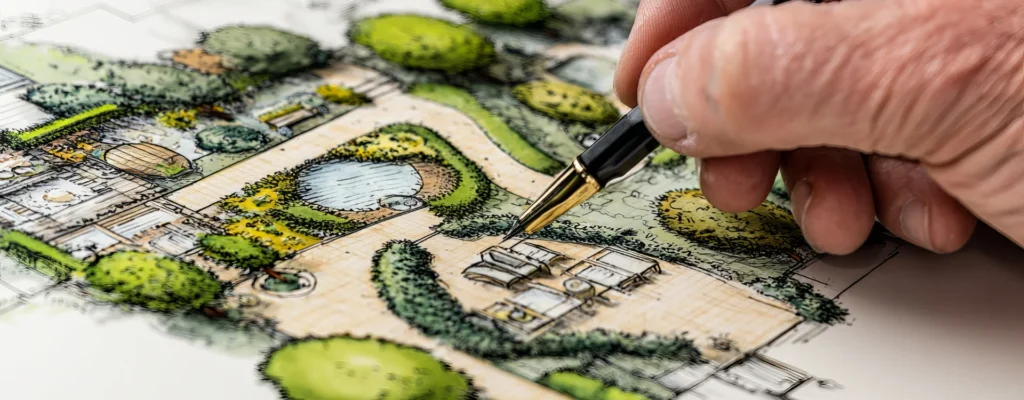
Why Do Landscape Designs Matter in 2025?
The landscape design trends in 2025 are not just about new styles but also about global environmental problems like climate change and the rapid expansion of cities with limited resources. By following these trends, landscape designers can design spaces that are both resilient and visually appealing. The use of sustainable practices and smart technology helps the landscape adjust to the changes in the environment and maintain the balance for many years.
It is essential for all landscaping professionals to follow the latest emerging trends in landscaping to remain competitive. Therefore, the demand for skilled landscape professionals in landscape architecture is increasing, since most people are looking for sustainable and smart technology-based landscapes, which is also creating more job opportunities in the field. Experts use landscape design software and landscape architecture software to generate innovative ideas that address modern needs.
How are Climate and Technology Reshaping Modern Landscapes?
Climate and innovative technology are two key forces shaping the future of landscape design. Today’s professionals are integrating smart tools and eco-friendly materials into outdoor spaces, combining with landscape design trends and broader landscaping industry developments for 2025.
Developments Needed in Climate and Technology-Driven Landscape Design
Climatic Solutions: ModernLandscape design architecture now tackles the situation by focusing on creating adaptable designs that can handle unpredictable weather. Elements such as rain gardens, bioswales, and permeable paving are now commonly used to manage stormwater efficiently and minimize the risk of flooding.
Technology Integration in Landscape Design: In today’s world of Artificial Intelligence, AI landscape design tools help professionals to simulate plant growth, analyse water needs, and boost project efficiency. Additionally, landscape design and architecture software facilitate 3D modelling, realistic visualizations, and more streamlined planning.
Fusion of Innovation and Sustainability: By use of new emerging landscape technologies like solar-powered lighting, living walls, and eco-friendly materials is transforming outdoor spaces. These advanced solutions highlight a shift toward low-impact, high-performance design approaches.
Changing Role of Landscape Professionals: Today’s landscape architects are expected to combine digital skills with a deep understanding of environmental sustainability. As eco-conscious design takes centre stage, the demand for skilled professionals in landscape architecture continues to rise. Many experts are now driving innovative projects that define modern landscaping trends.
These trends are not stylistic; they highlight a deep transformation in the landscaping industry trends 2025. The modern standard is to apply environmental data, automation and ecological principles to every project. Landscape software tools accelerate and refine the implementation of these concepts. Landscape architecture careers are evolving to require a more diverse skill set, one that integrates creative design sensibilities with technical expertise and environmental literacy.
List of the Top 10 Landscape Design Trends in 2025
1. Sustainable and Low-Maintenance Landscapes
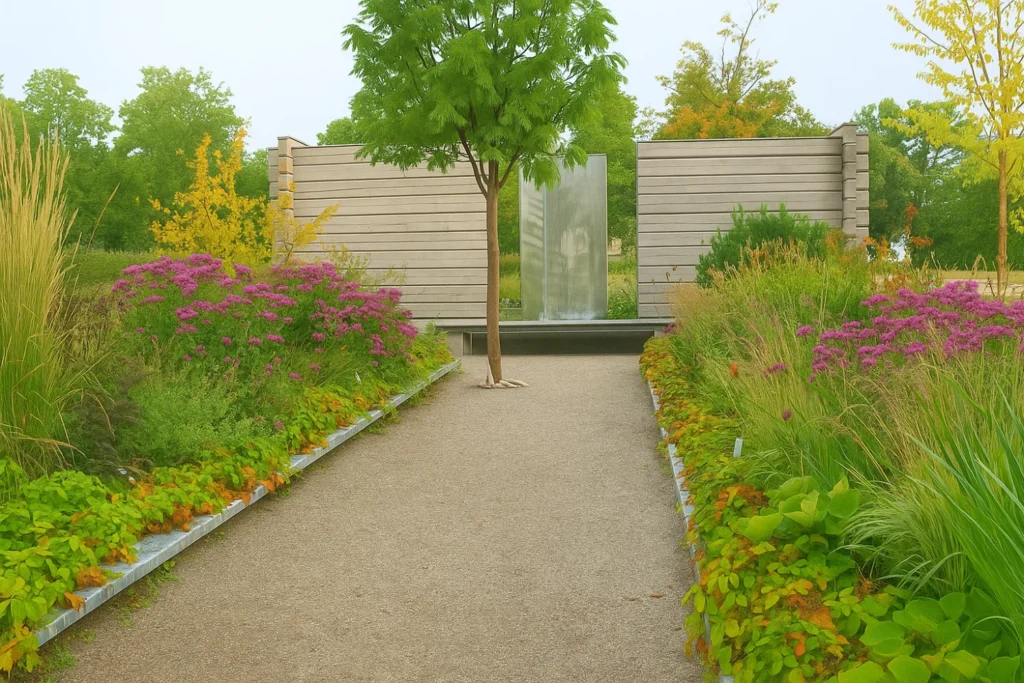
Sustainability is at the forefront of landscaping trends for 2025. Homeowners and professionals are concentrating on designs that require minimal maintenance and save natural resources. This method includes using native plants, implementing xeriscaping techniques, and incorporating recycled materials into outdoor areas. These environmentally friendly practices not only lower the impact on the environment but also cut long-term maintenance costs.
2. Native and Climate-Adaptive Planting
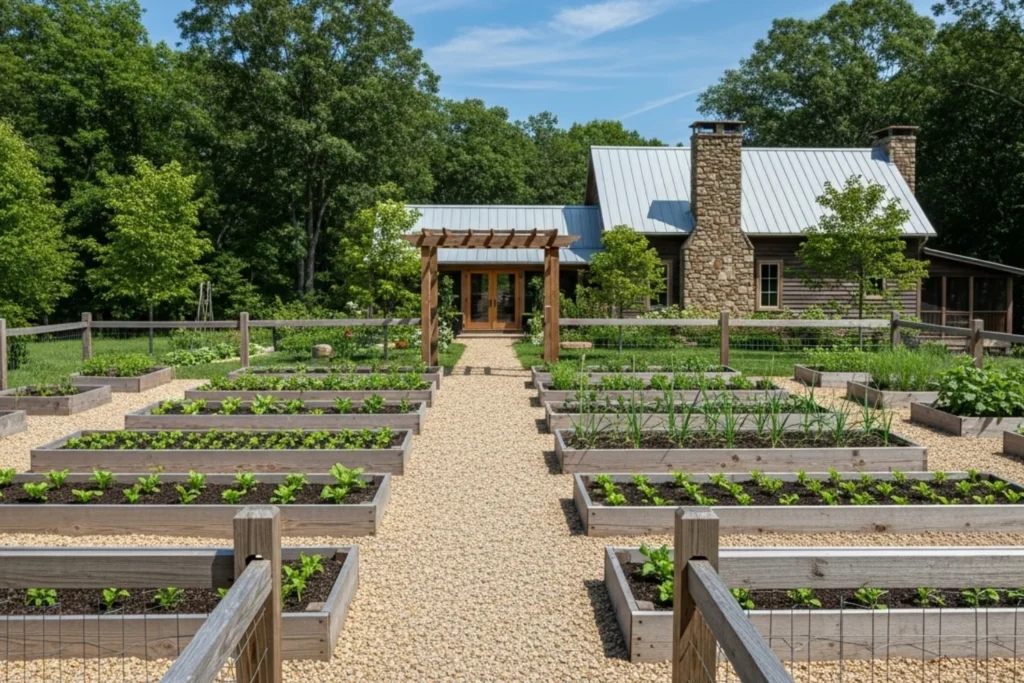
Using native and climate-adaptive plants is essential for creating resilient landscapes. These plants naturally fit into local environments and require less water, care, and maintenance. Adding them to landscape architecture projects not only boosts biodiversity but also strengthens and supports local ecosystems.
3. Outdoor Wellness Zones
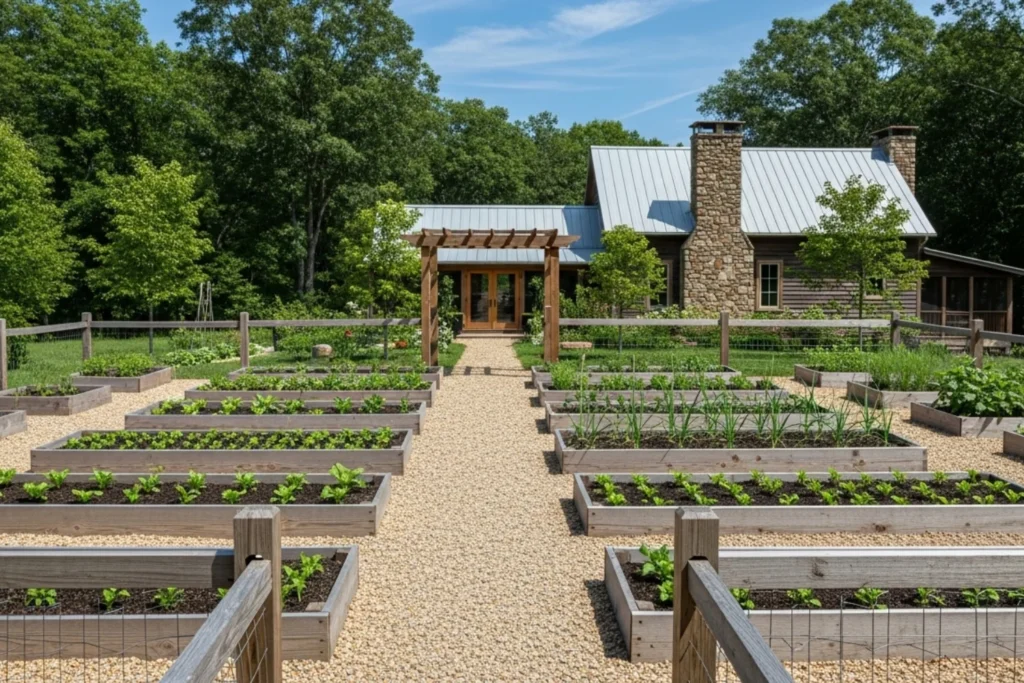
The addition of outdoor wellness zones shows a rising focus on mental and physical health. These areas are meant for activities like yoga and meditation. They offer calm environments that encourage relaxation and well-being. Common features include water elements, fragrant plants, and comfortable seating to improve the healing experience.
4. Edible Gardens and Urban Farming

Edible gardens and urban farming are gaining popularity. They combine beauty with practical use. Adding fruits, vegetables, and herbs to landscape designs offers fresh produce and builds a connection with nature. This trend promotes sustainable living and is especially helpful in cities where space is tight.
5. Smart Irrigation and Lighting Systems
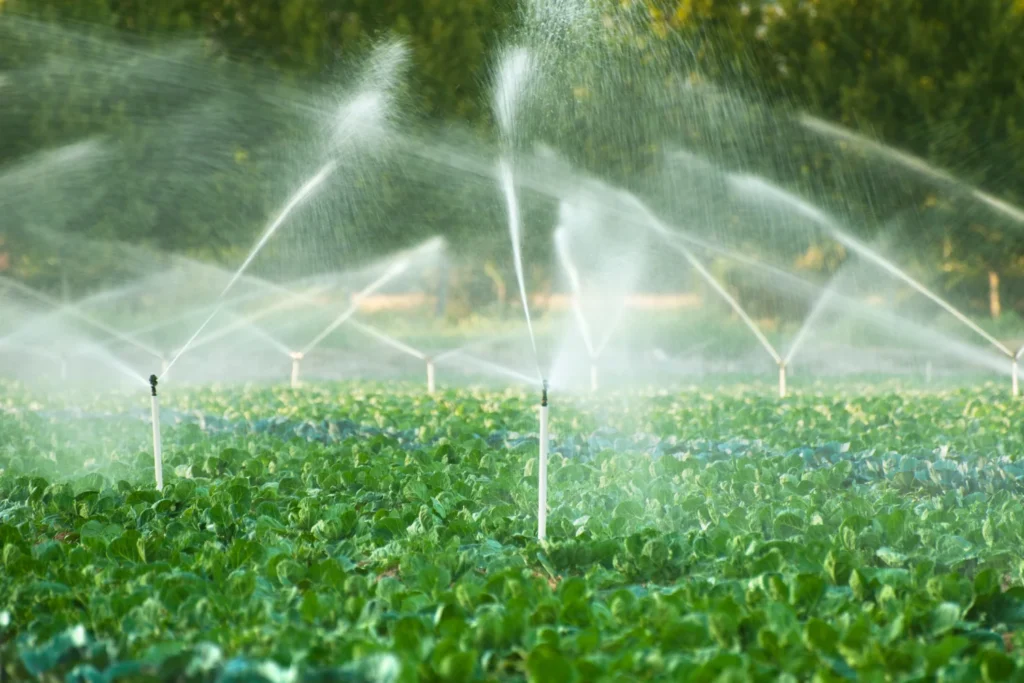
The use of smart irrigation and lighting systems is changing landscape maintenance. These technologies provide automated and efficient management of water and energy use. They adjust to weather conditions and plant needs. These systems help save resources and lessen manual labor.
6. Multi-Functional Outdoor Living Spaces
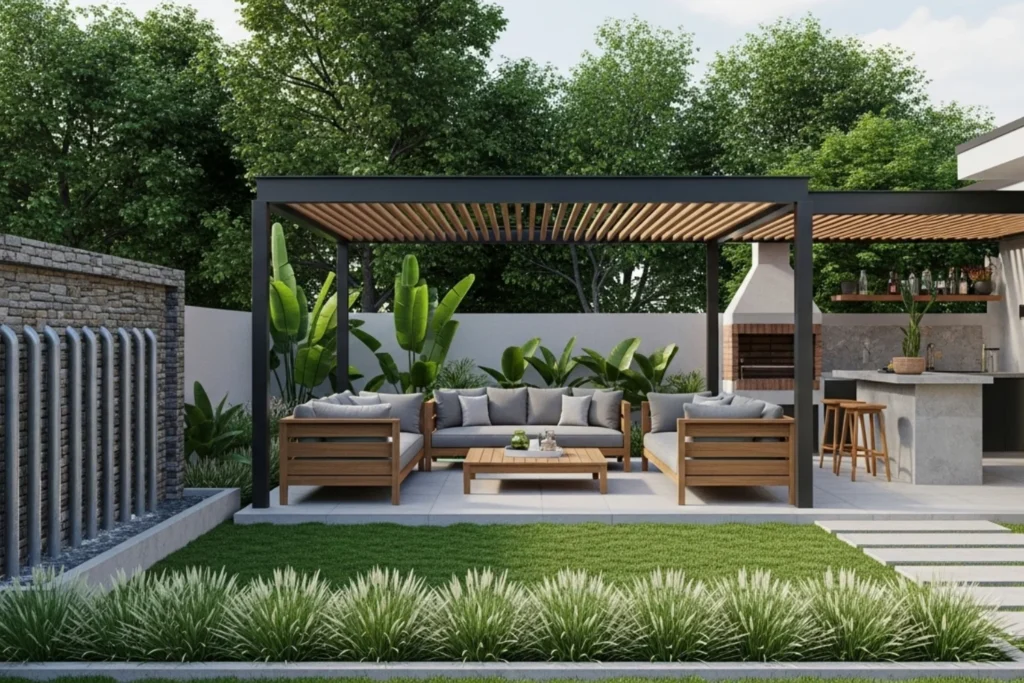
Designing multi-functional outdoor living spaces is an important trend in 2025. These areas can be used for dining, entertainment, relaxation, and work. Adding features like outdoor kitchens, fire pits, and comfortable seating improves the use and enjoyment of outdoor spaces.
7. Regenerative Landscape Practices
Regenerative landscaping aims to restore and improve the natural environment. This includes practices like soil regeneration, rainwater harvesting, and composting systems. By boosting ecosystem health, these practices help ensure long-term sustainability and resilience.
8. Bold, Sculptural Hardscapes
Incorporating bold, sculptural hardscapes adds artistic elements to landscape designs. Features like geometric pathways, statement walls, and unique seating structures serve as focal points, enhancing visual interest and personal expression within outdoor spaces.
9. Rewilding and Naturalistic Aesthetics
Rewilding means letting nature shape landscapes. This helps improve biodiversity and ecological balance. Using natural designs, like meadows and groups of native plants, creates spaces that are not only beautiful but also good for the environment.
10. Water-Wise Xeriscaping
Xeriscaping is a water-efficient landscaping method that uses drought-tolerant plants and limited irrigation. This approach is especially useful in dry areas and places dealing with water shortages. It provides sustainable solutions while maintaining beauty.
Conclusion
The landscape design trends of 2025 celebrate the perfect blend of sustainability, creativity, and natural charm. At Saharanpur Nursery, we turn these concepts into reality by offering a wide collection of ornamental plants, landscaping trees, timber trees, and natural lawn grasses that enhance any outdoor space. Whether you’re planning a home garden, a luxury resort, or a large commercial landscape, our premium-quality plants and professional landscaping solutions deliver beauty that lasts. As the desire for greener, more sustainable spaces continues to rise, Saharanpur Nursery proudly stands as your trusted partner in crafting vibrant and eco-friendly landscapes across India.


